Amid a scam crackdown, crypto giants keep fueling bitcoin ATMs

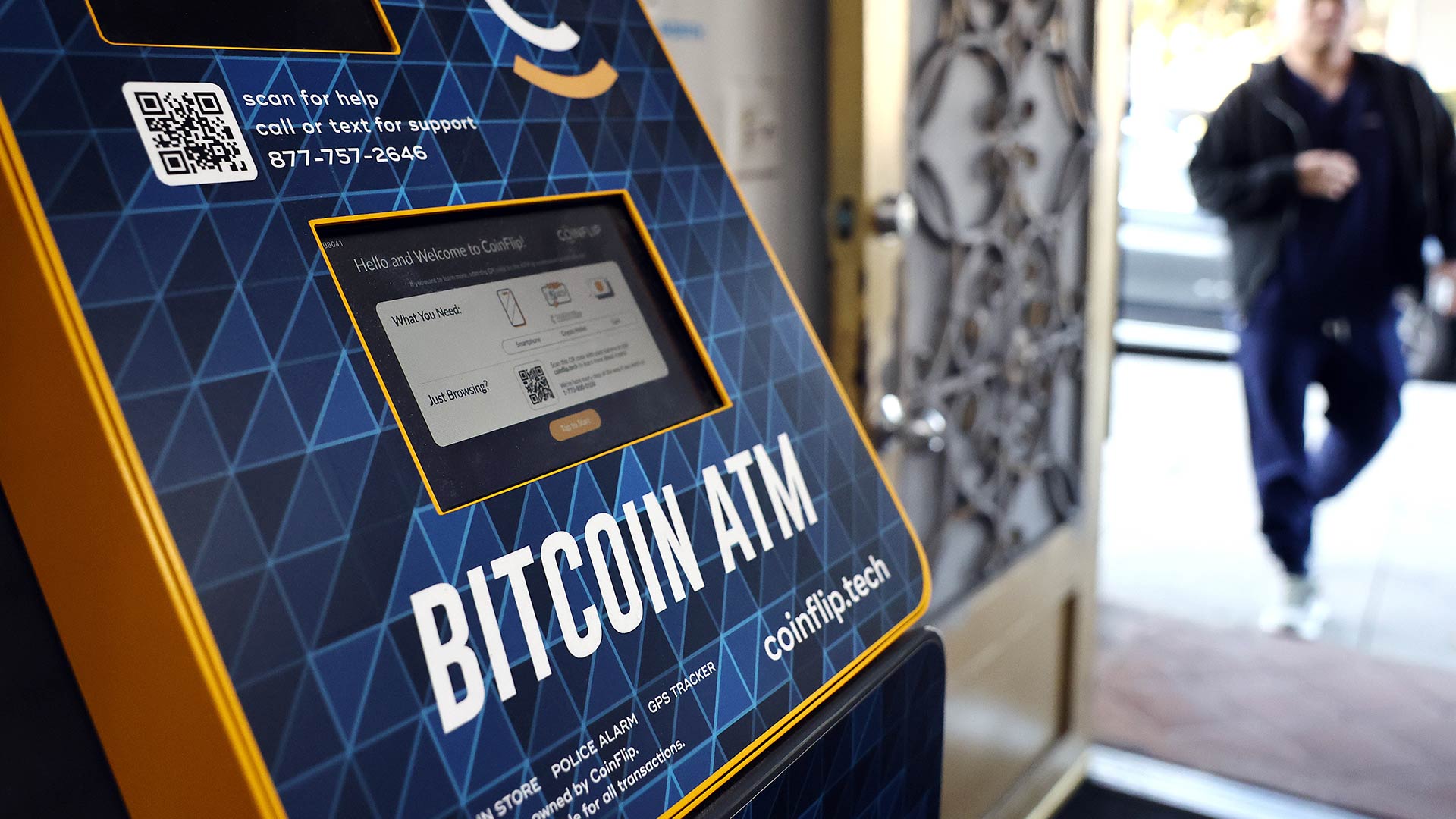
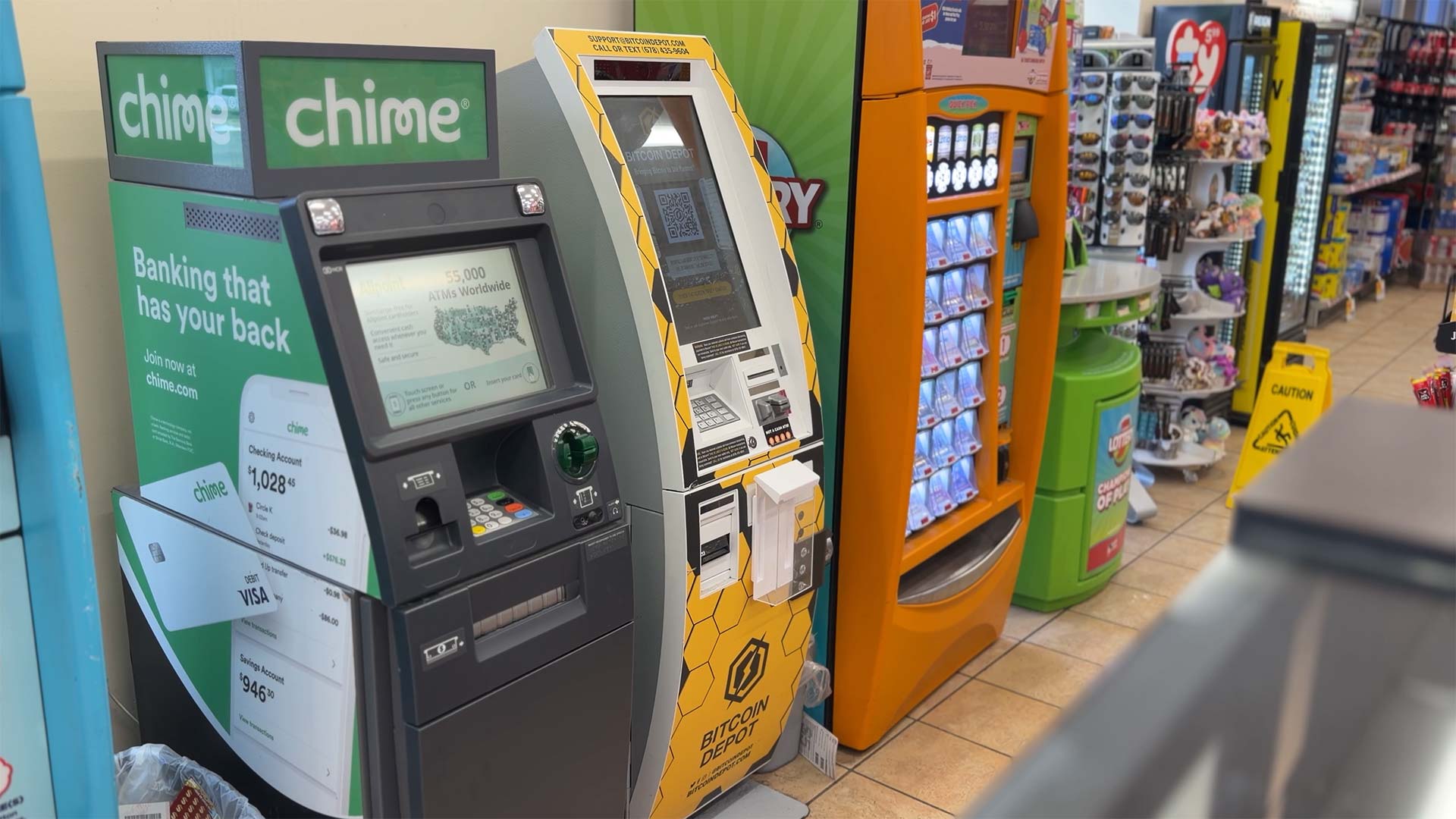
Bitcoin ATMs, the now-ubiquitous machines in gas stations and smoke shops that convert physical cash to cryptocurrency, are in trouble.
Over the past few months, the Canadian government announced a proposal to ban the scam-prone machines while Tennessee, Minnesota and Indiana passed legislation to outlaw them. Just last week, the world’s largest operator of these ATMs, Bitcoin Depot, filed for bankruptcy, citing litigation and government action. Experts and authorities have for years warned about the machines’ heavy use by criminals, who rely on them as a convenient means to collect funds from scam victims.
But as the crackdown on crypto ATMs widens, one critical aspect of the scam ecosystem has escaped scrutiny: the crypto giants that have enabled these ATM operations through massive transfers of bitcoin. Because these machines often take in cash and convert that cash to bitcoin, the crypto necessary to make such conversions are essential to the ATM firms.
At ICIJ’s request, a group of cryptocurrency investigators traced billions of dollars in bitcoin transfers from brand-name crypto firms directly to the coffers of ATM companies, even as authorities issued increasingly dire warnings about potential criminal activity. ICIJ found that after attorneys general in Massachusetts, Iowa and Washington, D.C., alleged that top ATM operators were dealing heavily in scam transactions, major crypto companies continued selling them big sums of bitcoin.
This included U.S.-based exchange Kraken, which has transferred at least $1.1 billion worth of bitcoin to crypto ATM operators in recent years. ICIJ found that Kraken sent the ATM operator Athena Bitcoin at least $17 million worth of cryptocurrency after District of Columbia authorities singled out its machines last September.
“Athena’s bitcoin machines have become a tool for criminals intent on exploiting elderly and vulnerable District residents,” D.C. Attorney General Brian Schwalb said in a statement at the time. “Athena knows that its machines are being used primarily by scammers yet chooses to look the other way.”
Athena Bitcoin has rejected these allegations. In response to questions from ICIJ, Kraken said that it takes its regulatory obligations seriously and maintains robust compliance controls. In a statement, a spokesperson said its “business relationships are subject to rigorous onboarding, ongoing due diligence, and enhanced monitoring standards.”
Between May 2020 and March 2025, the crypto firm Gemini provided more than half a billion dollars in bitcoin to Bitcoin Depot. Cumberland DRW, a crypto trading firm founded by billionaire Don Wilson, has also been a major supplier of bitcoin to crypto ATM firms, including Bitcoin Depot and CoinFlip, according to blockchain researchers.
Cumberland and Gemini did not respond to requests for comment.
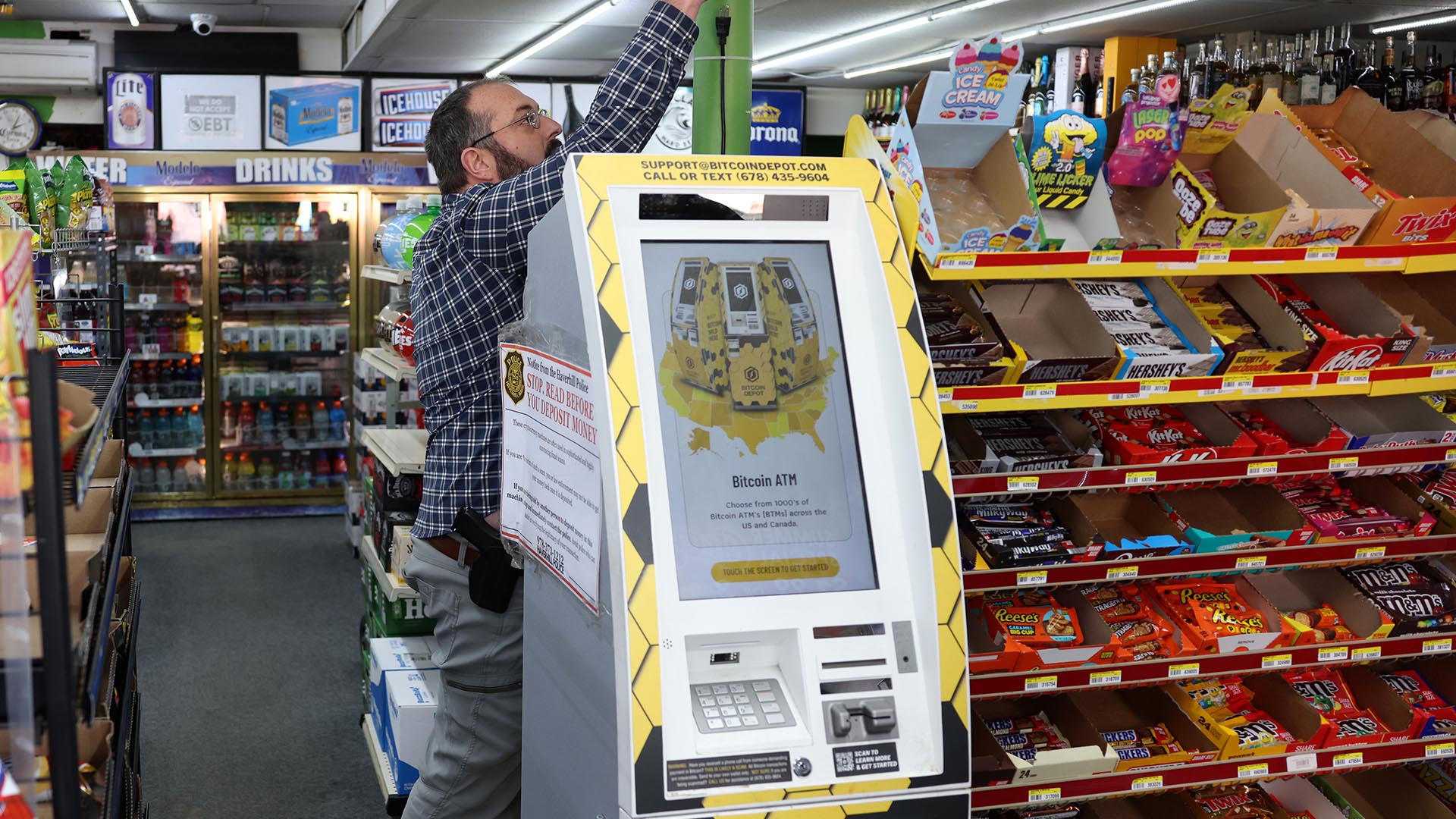
A police lieutenant disconnects a Bitcoin Depot ATM inside a convenience store in Haverhill, Mass., on April 6, 2026. Image: Jessica Rinaldi/The Boston Globe via Getty Images
In some cases, big crypto players provided bitcoin to ATM operators that were later criminally charged, ICIJ found. For instance, the crypto exchange Bitstamp sent at least $7 million to a firm called Crypto Dispensers between 2018 and 2024 — which fell within a timeframe when the firm used its ATM network for money laundering, according to a federal indictment.
Bitstamp did not respond to requests for comment. Firas Isa, the founder of Crypto Dispensers, who is also under indictment for money laundering, told ICIJ in an interview that Bitstamp performed rigorous audits on his firm. Isa denies the allegations in the indictment, which states that his firm received large amounts of money derived from crimes including from scam victims.
At ICIJ’s request, a half-dozen experts who specialize in analyzing bitcoin transaction records on the public ledger known as the blockchain helped examine and confirm details of these transactions. These experts included Fred Buret, of the crypto investigations firm Recoveris, and Joshua Cooper-Duckett of the firm Cryptoforensic Investigators.
Jason Ghetian, a former FBI agent specializing in crypto scams, told ICIJ that the providers of large amounts of bitcoin to crypto ATMs should have been wary of those business relationships, given the machines’ reputation for being heavily used by criminals. “These exchanges could shut these ATMs down if they don’t provide liquidity for them,” Ghetian said.
The companies have not, however, broken the law by providing the ATMs with bitcoin liquidity. In recent years, the crypto industry’s biggest players have vigorously sought to be accepted as part of the mainstream financial system, with Kraken just this year being the first to receive approval for a so-called master account with the Federal Reserve. Even amid this push for broader recognition, the most prominent crypto firms remain deeply entwined with a part of the industry that lawmakers around the world are scrambling to protect consumers from.

cryptocurrency Crypto ATM operator Bitcoin Depot files for bankruptcy May 19, 2026
CRYPTOCURRENCY Retailers keep cashing in on crypto ATMs as scams surge Dec 17, 2025
Recommended reading cryptocurrency Crypto ATM operator Bitcoin Depot files for bankruptcy May 19, 2026 CRYPTOCURRENCY Retailers keep cashing in on crypto ATMs as scams surge Dec 17, 2025 IMPACT Massachusetts sues Bitcoin Depot, alleging the crypto ATM operator knowingly facilitated crypto scams Feb 26, 2026
I couldn’t eat, I could not sleep. It was like, how can people be so cruel? — crypto ATM scam victim Ann Tatem
Tatem had joined thousands of Americans who have collectively lost hundreds of millions of dollars to sophisticated scammers relying on ATMs to rapidly convert victims’ cash into cryptocurrency. In all of these crimes, law enforcement has little chance of tracing the cryptocurrency to an owner.
“That was a lot of our savings. We’re simple people,” Tatem said, adding that the crime left her traumatized. “I couldn’t eat, I could not sleep. It was like, how can people be so cruel? It’s just beyond my comprehension.”
A ‘silent partner to many scammers’
Over the past six months, the state of Connecticut suspended Bitcoin Depot’s banking license for lapses in anti-money laundering controls; Missouri’s attorney general opened an investigation into several crypto ATM operators, including Bitcoin Depot; and Nevada and Maine settled enforcement actions with the firm, requiring it to pay fines and comply with state rules. Massachusetts’ attorney general also recently sued Bitcoin Depot, alleging most of its revenue was derived from scams.
Another major sender of cryptocurrency to Bitcoin Depot was Cumberland DRW, the crypto arm of the Chicago-based trading firm DRW, founded by billionaire and famed trader Don Wilson. He made headlines last year when DRW invested $100 million into a Trump family crypto project shortly after the U.S. Securities and Exchange Commission dropped an investigation into Cumberland, according to the Financial Times. In a March filing, Bitcoin Depot named Cumberland, Gemini and other firms as its bitcoin suppliers.
Even after Gemini appeared to stop sending funds to Bitcoin Depot in March 2025, Cumberland continued to do so, according to experts who reviewed the transactions. These transactions lasted until March 30, 2026.
According to the experts ICIJ consulted, Cumberland is also a key provider of cryptocurrency to CoinFlip, which has been identified as the world’s second-largest bitcoin ATM operator behind Bitcoin Depot. Iowa’s attorney general sued CoinFlip last year, alleging that all of its top 20 crypto ATM users in Iowa, among many others, were scam victims.
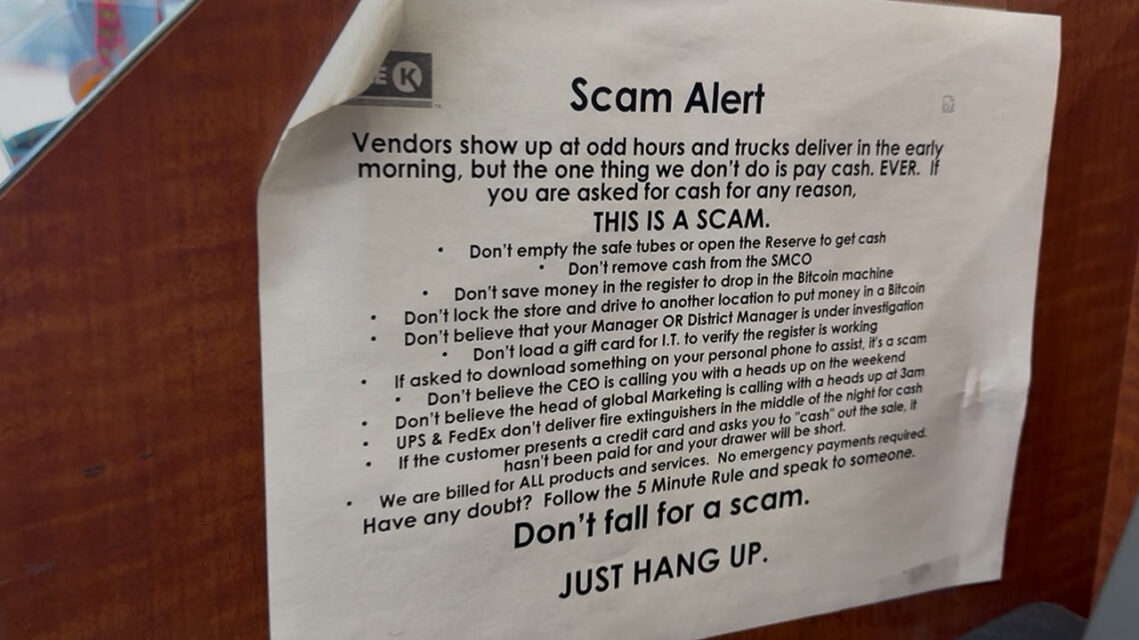
An alert about bitcoin machine-related scams is included in a printed warning for staff in a Circle K convenience store.
“At best, CoinFlip is a willfully blind participant in the victimization of hundreds of Iowans,” according to the state’s lawsuit. “At worst, it is a silent partner to many scammers preying on Iowans.”
CoinFlip did not provide comment for this story. In an April filing, the firm’s lawyers said Iowa authorities have deployed baseless accusations in a “smear campaign” that has damaged its standing with regulators, legislators, consumers and business partners. The firm has denied that it enables or tolerates scammers on its machines and called the Iowa suit an “unmistakable assault on the nature of cryptocurrency itself.” CoinFlip said it requires its customers to read multiple fraud-related warnings and disclaimers when using its machines.
In recent years, Cumberland has sent CoinFlip over a billion dollars worth of bitcoin, according to experts who reviewed the transactions. These transactions were as large as $5 million apiece, the experts said.
Until mid-2024, CoinFlip also received roughly $1.5 billion worth of bitcoin from London-based trader Enigma Securities, according to the experts. Enigma Securities is a subsidiary of the Makor Group. Like Cumberland, Enigma Securities labels itself as a so-called crypto liquidity provider, giving businesses fast access to wholesale portions of various cryptocurrencies. Crypto ATMs have been effectively banned from operating in the United Kingdom because authorities have not granted a licence to any of the firms.
Enigma Securities did not respond to requests to comment on this story.
a crypto trading company headquartered in San Mateo, California. Meraban said he used accounts with multiple exchanges so that he could shop around for the cheapest bitcoin to improve his profit margins.
“We needed a lot of bitcoin and were linked up to exchanges to get that bitcoin every day,” said Meraban, who pleaded guilty in 2023 to charges relating to his firm’s licensing. “This is how the business model works.”
Enigma Securities did not respond to requests for comment. FalconX declined to provide comment for this story.
ICIJ found that Kraken has played a key role in supplying bitcoin to several major crypto ATM operators in recent years, including more than $700 million in bitcoin to Coinhub and at least $245 million in bitcoin to Byte Federal, according to experts who reviewed these transactions.
Coinhub did not respond to a request for comment. In an interview with ICIJ, Byte Federal’s CEO Paul Tarantino said Kraken is the firm’s sole liquidity provider. “We have a really good relationship with Kraken,” he said.
Tarantino said that Byte Federal is a leader in anti-fraud measures. In early 2024, he said, Byte Federal began rigorously vetting all customers over the age of 60, resulting in 84% of those would-be customers being blocked due to scam concerns. He added that the number of those visitors to his company’s machines has recently fallen, however. “Scammers that get ahold of these seniors are making a decision not to send them to our kiosks.”
Kraken’s relationship with Athena Bitcoin, another top crypto ATM operator, appears to have expanded in late 2023. The exchange began sending the firm more than a million dollars worth of bitcoin each week on average until mid-2025, when the pace slowed, according to the experts.
Last September, Washington D.C.’s attorney general alleged that 93% of Athena Bitcoin’s transactions involved a scam, saying the firm “fails to provide effective oversight, creating an unchecked opportunity for illicit international fraud.”
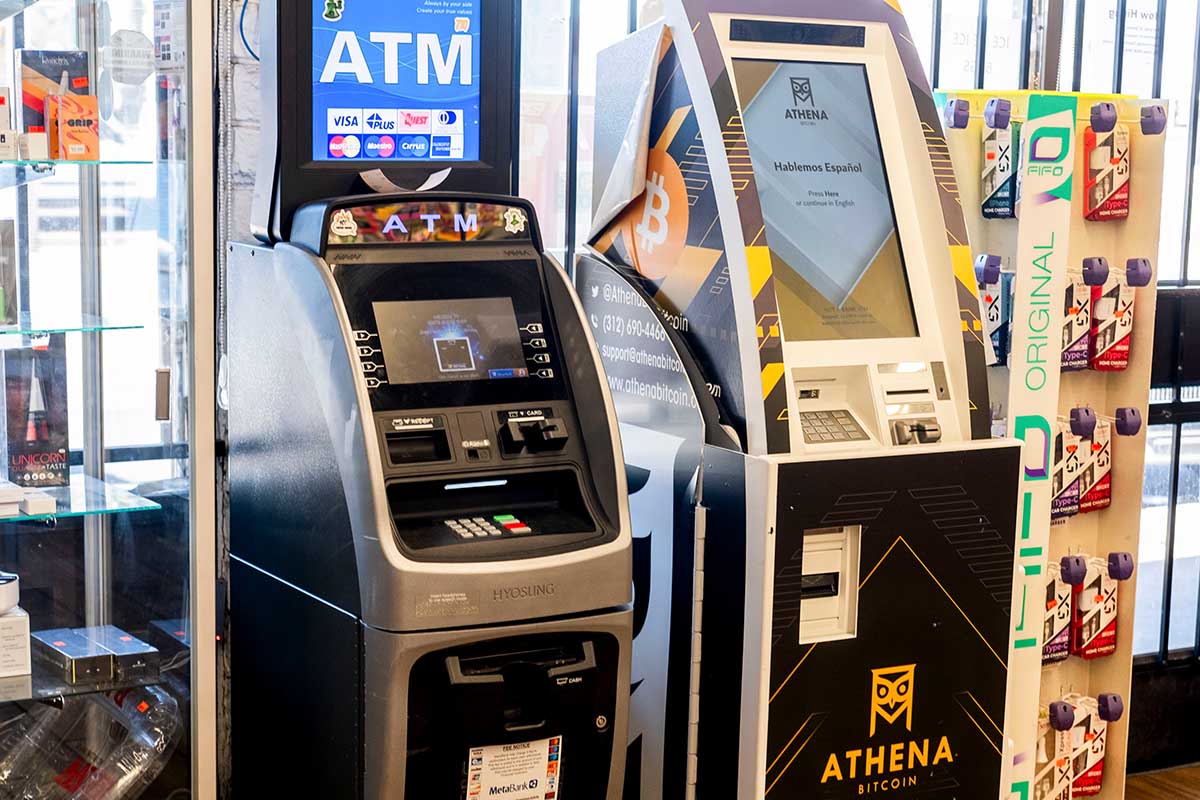
An Athena Bitcoin ATM in Phoenix, Arizona. Image: Dominic Valente/Bloomberg via Getty Images
Following the legal action, Athena Bitcoin told a local news station that it “strongly disagrees with the allegations” and that it will fight the charges. The firm said it has “multiple safeguards, from prominent warnings and daily transaction limits to five separate verification screens designed to stop coerced transactions,” according to the report.
The day after the D.C. attorney general’s announcement, a Kraken account sent Athena more than $270,000 worth of bitcoin in a single transaction, according to experts ICIJ consulted. And Kraken accounts continued to send large amounts of cryptocurrency to Athena Bitcoin, amounting to about $17 million as of March 31, 2026, when the transfers appear to have stopped, the experts said.
Athena did not respond to requests to comment for this story. In a March filing, Athena Bitcoin called Kraken its “primary crypto exchange.” In a subsequent filing dated May 14, Athena did not mention Kraken.
In March, Kraken became the first crypto firm approved for a Federal Reserve master account, which allows the exchange to move traditional money directly via U.S. central banking infrastructure, a privilege never before granted to a crypto firm. Republican Sen. Cynthia Lummis of Wyoming, a proponent of the crypto industry, called the approval a “watershed moment for the digital asset industry” and a “monumental step towards making payments safer, faster, and cheaper.”
Last month, the FBI released new figures showing that crypto ATM scams had recently surged, with Americans losing $389 million relating to the machines in 2025. These scams especially targeted Americans over 60, like Ann Tatem.
Tatem told ICIJ that the loss of retirement savings forced her to cash out her life insurance plan. “I just hope something can be done about those machines,” she said.